
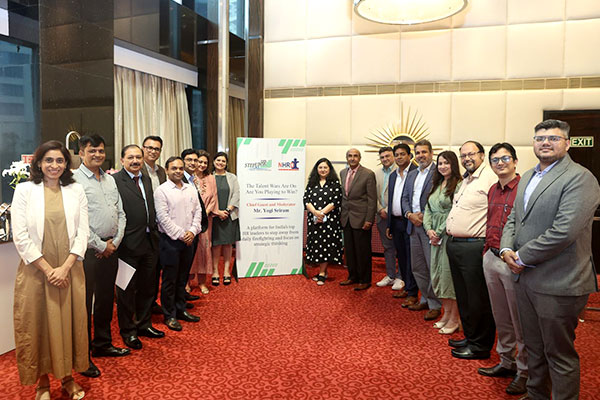
The Talent Wars Are On: Are We Playing to Win?
Introduction
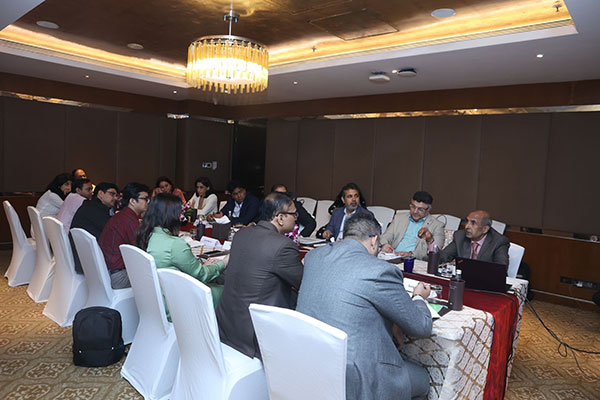
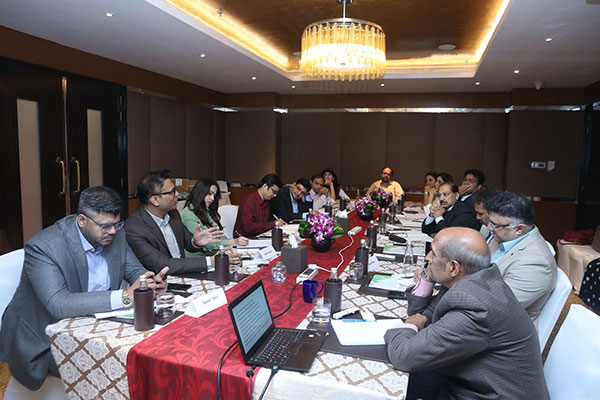
The Leadership Breakfast convened India’s most respected CHROs, TA Heads, and industry visionaries to reflect on one of the most pressing realities of our times: the global talent war. The dialogue highlighted that organisations are facing not just a shortage of skills but a profound paradigm shift in how work, skills, and careers are defined. The conversation went beyond surface-level talent issues and dug deep into geopolitics, AI, biases, workforce models, education systems, and shifting employee expectations.
Key Themes & Insights
Are We Prisoners of Our Own Mindset?
Organisations often claim “talent shortage,” yet large pools of untapped or misaligned talent exist. Paradigm paralysis and disguised unemployment continue to exist in several sectors — talent is available, but we fail to align it to emerging roles.
Geopolitical & Economic Headwinds
Trade wars, tariff barriers, shifting visa regimes, and political tensions are directly influencing talent mobility. Companies can no longer rely solely on global talent imports; they must develop robust domestic pipelines.
AI & Technology – Redefining Work
AI is eliminating tasks, not jobs. Roles will shrink, expand, or mutate depending on how technology is applied. While repetitive work gets automated, humans must focus on creativity, empathy, and judgment.
Bias & Talent Spotting
With 188 cognitive biases, hiring and promotion decisions are prone to distortions. Leaders must develop counter-intuitive and evidence-based assessments to overcome false assumptions and heuristics.
Meta-Skills & STEM – The New Imperative
Skills alone are not enough. Meta-skills such as learning agility, empathy, systems thinking, and collaboration sustain relevance across industries. STEM education must integrate with these human-centered skills.
Gig Economy & Dignity of Labour
Gig workers are a structural reality, not a side trend. Yet dignity of labour remains overlooked. HR must design policies that respect, engage, and integrate gig and contractual workers into culture.
Lateral vs. Homegrown Talent
Heavy reliance on lateral hiring creates instability, especially at leadership levels. Homegrown leaders align better with culture and show stronger retention, requiring stronger succession pipelines.
Changing Employee Expectations
India faces job-hopping culture, while global markets are seeing job-hugging trends. Remote working created engagement gaps but also expanded access to talent. Hybrid models are reshaping expectations.
Education System & Parenting
Overemphasis on rankings and rote learning produces graduates lacking problem-solving skills. A blended approach of cognitive and practical learning is critical for future readiness.
Performance Management & Career Models
Traditional careers are declining in relevance. Employees prefer portfolio careers and project-based roles. Performance management must evolve into continuous feedback rather than annual scoring.
Counterintuitive Phenomena & Bias Busting
Leaders must practice counter-intuitive thinking to challenge mental shortcuts. Often the obvious path is wrong, requiring critical thinking and reflection.
Manpower Planning in an Uncertain World
Traditional long-term manpower planning is obsolete. Organisations need short learning curves, agile reskilling, and rapid deployment of workforce strategies.
Future of Work & New Collar Jobs
Beyond blue-collar and white-collar lies new-collar jobs: skill- and agility-based roles where certifications and practical knowledge outweigh degrees.
The Bias of Algorithms
AI and algorithms can amplify human prejudice if not carefully managed. Organisations must monitor data integrity and algorithm fairness in HR tech.
Closing Reflections
The discussions reinforced that the talent war is not a battle to win once and for all — it is a continuous struggle to adapt. Organisations must shift from manpower planning to manpower agility, bias-busting and meta-skills are more valuable than narrow technical expertise, gig work is central to the workforce ecosystem, and AI is both a disruptor and enabler. The war for talent will not be won with yesterday’s strategies, but by leaders willing to reimagine, recalibrate, and reinvent how organisations engage with people.